

 All TVs
 All Audio
 All Refrigerators
 All Washing Machines
 All Air purifies
How to Save Electricity at Home: Tips for Choosing and Using Appliances

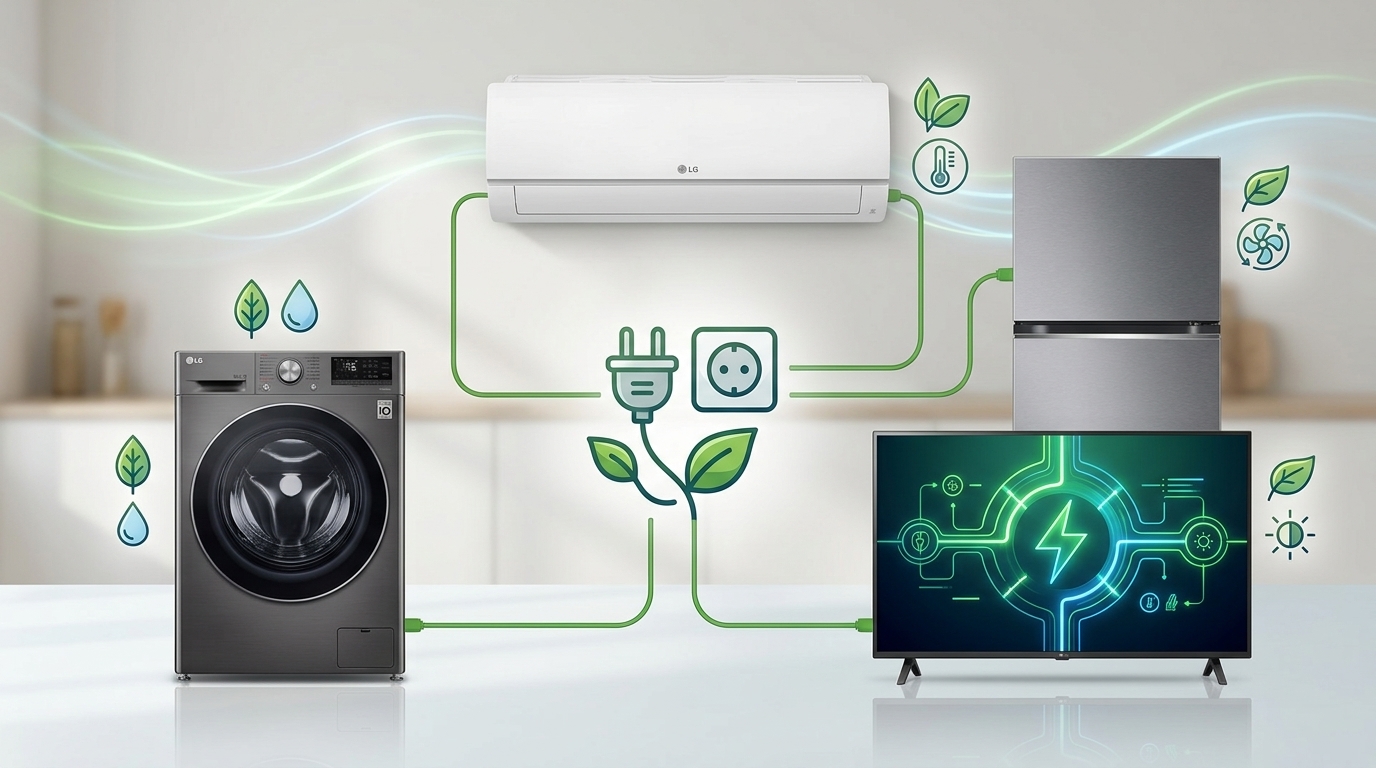
Electricity consumption has become a significant part of monthly household expenses, especially with the growing reliance on home and electrical appliances in everyday life. With the refrigerator, washing machine, air conditioner, TV, and other appliances running for long hours, electricity consumption can increase without us noticing, which can lead to a higher bill at the end of the month.
However, learning how to reduce your electricity bill at home does not mean giving up appliances or limiting their use. It starts with knowing how to save electricity at home by choosing energy-efficient home appliances, using them properly, and avoiding habits that lead to unnecessary energy consumption.
In this guide, we explore some of the main home appliances that use the most electricity, along with practical ways to save electricity at home and reduce consumption when using these appliances. We also explain how to make the most of energy efficiency labels when choosing new appliances.
See also: Essential Home Appliances Every Household Needs
Home Appliances That Use the Most Electricity at Home
The amount of electricity each home appliance uses varies depending on its power rating, operating time, and how it functions. Some of the main appliances that can contribute significantly to household electricity consumption include:
1. Air Conditioners
Air conditioners can be among the appliances that use a significant amount of electricity, especially when operated for long hours during the summer months. Their consumption depends on the energy required to cool the air and maintain the set temperature inside the room, while usage can also vary based on the appliance’s capacity and operating conditions.
2. Refrigerators and Freezers
Refrigerators and freezers require electricity almost continuously to maintain the low temperatures needed to preserve food and beverages. Because they operate throughout the day, these appliances can account for a noticeable share of household electricity consumption.
3. Washing Machines
Washing machines use electricity during wash cycles, with consumption varying depending on the selected program, cycle duration, and water temperature. Some programs require more energy when they involve heating water or running the appliance for longer periods.
4. Ovens and Microwaves
Ovens require energy to generate the heat needed for cooking, while microwaves use electricity to heat food during operation. The amount of electricity they use varies depending on their power rating and how long they are used.
5. Electric Water Heaters
Electric water heaters use electricity to heat water and maintain it at the desired temperature. Their energy consumption depends on the amount of water used, the required temperature, and how often the heater is operated.
6. TVs and Electronic Devices
TVs and other electronic devices consume electricity while in use. The amount varies from one device to another depending on its type, size, power rating, and usage time. When these devices are left running for long periods, they can contribute to overall household electricity consumption.
5 Effective Ways to Save Electricity at Home
Reducing household electricity consumption is not only about using appliances less, but also about how you choose, operate, and maintain them. A few simple daily habits can help you save electricity at home and avoid unnecessary energy use. Here are some practical ways to reduce your electricity consumption:
1. Choose Energy-Efficient Appliances
Reducing electricity consumption starts with choosing the right appliance. Energy-efficient home appliances are designed to operate effectively while using less electricity than less-efficient models, making energy efficiency an important factor to consider when buying new appliances.
2. Reduce Unnecessary Use
Another way to save electricity at home is to review daily habits that may lead to unnecessary energy consumption, such as leaving appliances running for long periods or using them when they are not actually needed. Reducing this unnecessary use can help lower household electricity consumption and minimize waste.
3. Avoid Leaving Appliances on Standby
Some appliances may continue to use electricity while in standby mode, even when they are not actively being used. Unplugging appliances that do not need to remain connected can therefore help reduce electricity consumption and avoid unnecessary energy use.
4. Maintain and Clean Appliances Regularly
The condition and cleanliness of an appliance can affect how efficiently it operates. Neglecting maintenance or allowing dust and dirt to build up can affect performance and increase the energy required to run some appliances. Therefore, regular maintenance and cleaning according to the manufacturer’s instructions is an important part of using appliances properly.
5. Choose the Right Settings
The amount of electricity used by many appliances can vary depending on their operating settings. Choosing the appropriate temperature, program, or operating level can help use energy according to actual needs and save electricity at home.
How to Save Electricity with Different Home Appliances: Tips by Appliance Type
The way electricity is used varies from one appliance to another, so the practices that help reduce consumption depend on how each appliance works and how long it is used. Here are some practical tips to help you save electricity with different home appliances:
1. Air Conditioners
Using your air conditioner properly can help save electricity at home, especially when it runs for long periods. Set the temperature to a suitable level, clean the air filters regularly, and keep doors and windows closed while the AC is running to prevent cool air from escaping.
Also read: How to Clean an Air Conditioner: A Simple Step-by-Step Guide
Learn more: How to Clean an LG Air Conditioner Filter
2. Refrigerators and Freezers
Since refrigerators and freezers operate around the clock, how you use them can affect their electricity consumption. Avoid opening the door frequently or leaving it open for long periods. Also, avoid placing hot food directly inside the refrigerator and leave enough space for proper cold air circulation.
Read more: Home Refrigerator Repair: Easy and Quick Steps
Also check: Freezer Maintenance and Repairs: Tips and When to Call a Pro
3. Washing Machines
Run the washing machine with an appropriate load and choose a cycle that matches the amount and type of laundry to help reduce electricity consumption. When suitable for the type of laundry, using lower water temperatures is also recommended, as this can reduce the energy needed to heat the water.
See also: Common Washing Machine Issues and How to Fix Them
4. Ovens and Microwaves
Electricity consumption from ovens and microwaves depends on how long they are used and for what purpose. You can reduce your electricity bill by choosing an appliance that suits the amount of food you need to cook or heat and avoiding running the oven for longer than necessary.
Read more: Microwave Not Working? Common Problems and How to Fix Them
5. Electric Water Heaters
Electric water heaters use electricity to heat water, so their consumption depends on the required temperature and the amount of water used. Adjusting the temperature according to your actual needs can help avoid unnecessary energy use.
6. TVs and Electronic Devices
Running TVs and electronic devices for long periods without actively using them can lead to unnecessary electricity consumption. Turn off your TV and other electronics when you are finished using them, unplug devices that do not need to remain on standby for extended periods, and remember to use the appropriate settings.
What Is an Energy Efficiency Label and How Does It Help You Choose an Appliance?
An energy efficiency label is a useful tool for understanding an appliance’s efficiency and energy consumption before purchasing it. The label provides information about the appliance’s efficiency and expected electricity consumption based on the applicable rating, allowing you to compare different appliances and choose an option that suits your needs while helping you save electricity at home in the long term.
That is why it is important to check the information on the label when buying home appliances, along with considering the appliance’s specifications and how you plan to use it.
Frequently Asked Questions (FAQs) About Saving Electricity at Home
Here are answers to some common questions about household electricity consumption and ways to reduce it:
1. What Runs Up Your Electric Bill the Most?
The appliances that use the most electricity vary from one home to another depending on the appliance type, power rating, and operating time. These may include air conditioners, washing machines, water heaters, and other household appliances.
2. Which Uses More Electricity: A Fan or an Air Conditioner?
An air conditioner generally requires more electricity than a fan to cool the air and lower the room temperature. Therefore, running an AC for long periods can result in higher electricity consumption compared with using a fan.
3. Does a Vacuum Cleaner Use a Lot of Electricity?
A vacuum cleaner uses electricity while operating, and its consumption varies depending on its power rating and how long it is used. However, it is not considered an appliance with continuous electricity consumption, as it is typically used for limited periods compared with appliances that run for several hours or throughout the day.
See also: Top Vacuum Cleaner Problems and How to Fix Them
4. How Can I Tell If a Home Appliance Is Energy-Efficient?
You can check an appliance’s energy efficiency through its energy efficiency label, which shows its efficiency rating and energy consumption based on the applicable data. A higher energy efficiency rating generally indicates more efficient electricity use, while it is also important to compare the actual energy consumption of appliances in the same category.
5. How Can I Reduce Electricity Consumption in Summer?
You can reduce your electricity bill in summer by using air conditioners efficiently and setting the temperature to a suitable level. Keep doors and windows closed while the AC is running and clean the filters regularly. It is also best to avoid opening the refrigerator door frequently or leaving it open for long periods, especially in hot weather, and to turn off unused appliances to avoid unnecessary electricity consumption.
Read more: How to Keep Your Refrigerator Efficient in Summer: 8 Essential Tips
6. Do Older Appliances Use More Electricity Than Newer Ones?
In most cases, yes. Newer appliances often use advanced technologies, such as inverter motors and compressors, which can use less energy than older models whose mechanical efficiency may decline over time.
Choose the Right Appliances for Your Home
When choosing home appliances, choose options that suit your household’s needs and daily use. New Vision, the authorized LG distributor in Jordan, offers a wide range of high-quality home appliances with options to suit different needs. Our specialists can help you identify your requirements and choose the right appliance for your home.

